


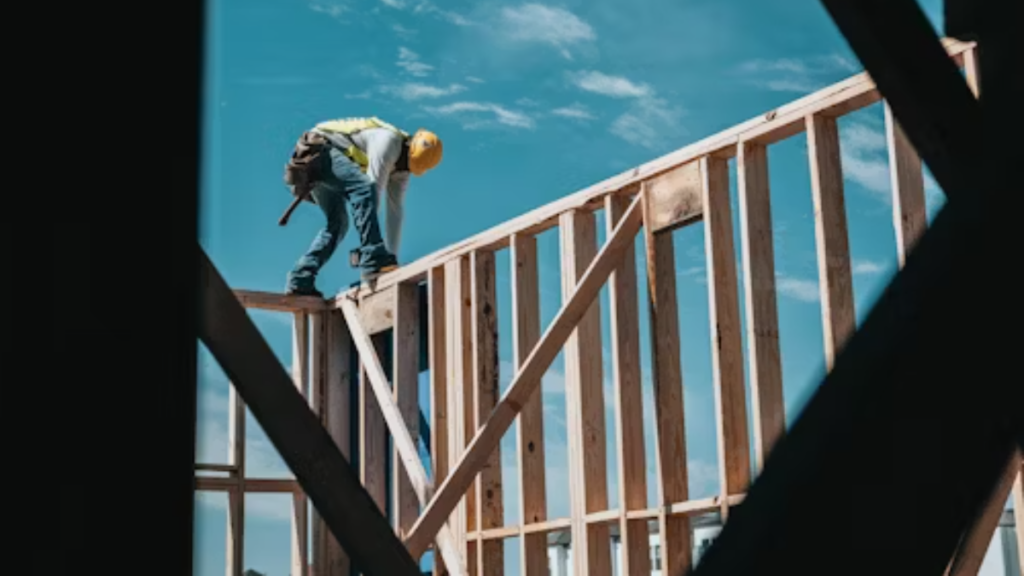
Getting a building to materialize from an abstract idea into a construction is a process that involves multiple steps that cannot be overlooked; otherwise, it can lead to a disaster that could lead to much more than the loss of life. Meticulous planning, skillful coordination, and expert execution are interconnected phases you cannot overlook. To make it easier for you to understand the multilayered process of building construction, this article serves as a guide, exploring the key types of building construction, steps to follow during construction, and the best practices for successfully executing a project.
Types of Building Construction
Building construction comes in different types categorized using different factors such as design, materials used, or purpose. The primary types of building construction are:
- Residential Construction
This type of building construction includes apartments, condominiums, and single-family houses. The projects typically vary in design and size, ranging from compact urban apartments to luxurious mansions. The construction process often involves custom designs and modern amenities to enhance comfort.
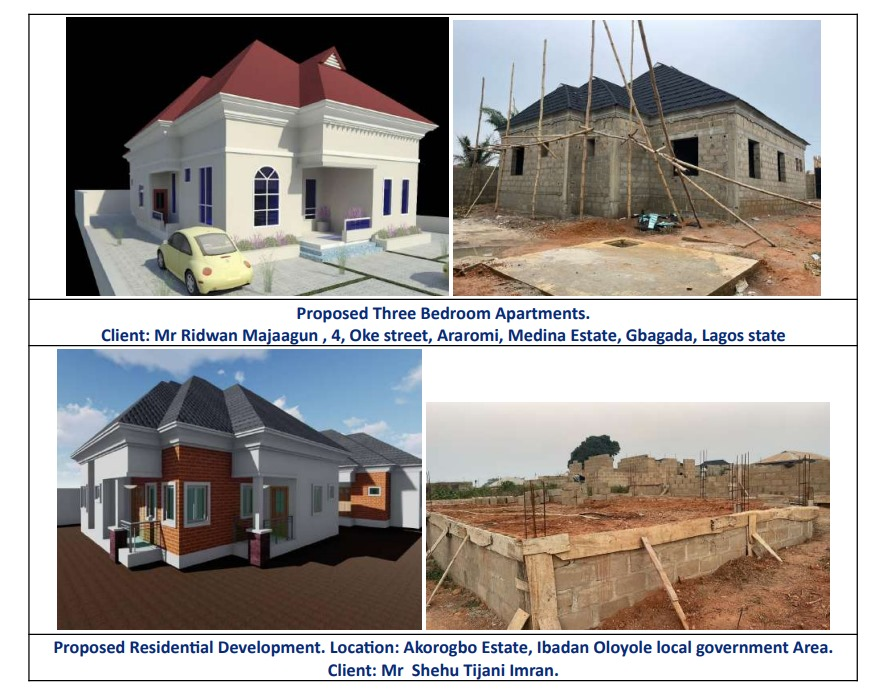
Image from BOA Construction Company
- Commercial Construction
Commercial building projects involve structures such as office buildings, hotels, restaurants, and shopping malls that serve business purposes. As they are constructed with the commercialism of their usage in mind, the design team of commercial buildings creates the models to house high foot traffic and fire protection, by efficiently utilizing available space. The buildings are usually created to last long without sacrificing aesthetic appeal, all while keeping to safety levels.

Image from BOA Construction Company
- Industrial Construction
Industrial buildings such as factories, manufacturing plants, and warehouses fall under the industry construction category. This type of building construction usually requires specialized designs to cope with the machinery and production lines required by the clients. Some of the concepts included when making the specialized designs for industrial buildings include high ceilings to prevent accidents and allow free movement of machinery; and reinforced flooring to prevent from cracks and floors caving in due to the high foot traffic and heavy machinery housed in the building.
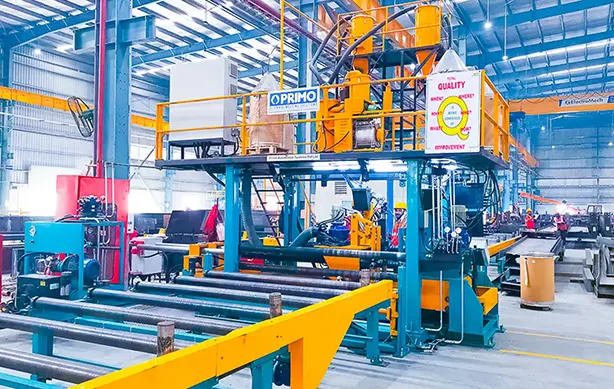
Image from EPAK Prefab
- Institutional Construction
This is a type of building construction that is employed when creating government buildings, hospitals, and schools. Unlike other types of building constructions, these buildings are created with functionality at their core. As such, they usually include features such as accessibility maps of the building, large waiting areas, and specialized for conducting specific tasks which differ based on the client’s use of the building.
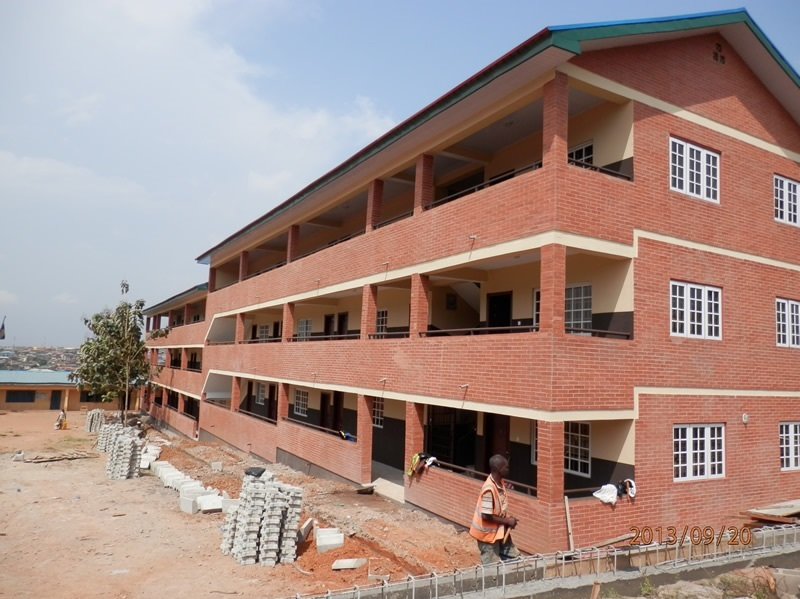
Image from Saldar
- Heavy Construction
Bridges, dams, roads, and tunnels are categorized under heavy construction. They usually contain more moving parts than other types of building construction and more resources than the average building construction project would require. While other building construction types require detailed planning, heavy construction infrastructures require more planning, heavy-duty machines, involve more stakeholders, and have stricter engineering standards to ensure longevity and stability. Building Information Modelling is usually involved in the construction process.

Image from Market Research Intellect
Key Steps in Building Construction
Despite being different and serving equally different purposes, the building construction process follows similar phases and steps. These phases are divided into three phases namely; pre-construction, construction, and post-construction.
1. Pre-Construction Phase
This is the most important stage of the construction process. It involves a process that sets the stage for building. Steps taken in the planning stage include:
- Conducting feasibility studies and site analysis: Experts are tasked with evaluating the land’s ability to sustain the building construction intended for it through steps including soil conditions assessment, zoning regulations, and other potential environmental concerns.
- Creating architectural and engineering designs: Architects and structural engineers develop blueprints of the building at this stage. They ensure that structural, mechanical, and electrical designs meet efficiency and safety requirements.
- Obtaining necessary permits and approvals: State regulations require that every building construction first be approved before any form of construction is made; for this, building plans and permits are submitted to officiating bodies for approval before the actual building commences.
- Hiring contractors and subcontractors: After making all necessary preparations, firms unable to provide all the professionals required to complete the construction processes hire them at this stage.
Image from Ayoola Balogun
2. Construction Phase
After going through the processes required for a construction to be flagged off for building, the next phase, which serves as the building construction phase, is the next stage. The processes in this
- Site Preparation & Excavation: At this stage debris and vegetation are cleared from the land, followed by grading and leveling to create a stable foundation base.
- Foundation Work: After preparing the site, the foundation is solidified by installing reinforced concrete footings or slabs to evenly distribute the building’s weight evenly and prevent building collapse.
- Framing: Framing, a process that involves creating a skeletal frame of the building using cement, steel, or wood that will go on to support floors, roofing components, and support walls, is completed.
- Systems Installation: Electrical wiring, HVAC systems, and plumbing lines are installed to ensure the building is fully functional with adequate power, climate control, and water.
- Final Touches: This serves as the final stage in the building construction process where interior and exterior finishing touches including cabinetry, decorative elements, flooring, painting, and tiling are completed to enhance the building’s aesthetics and usability.
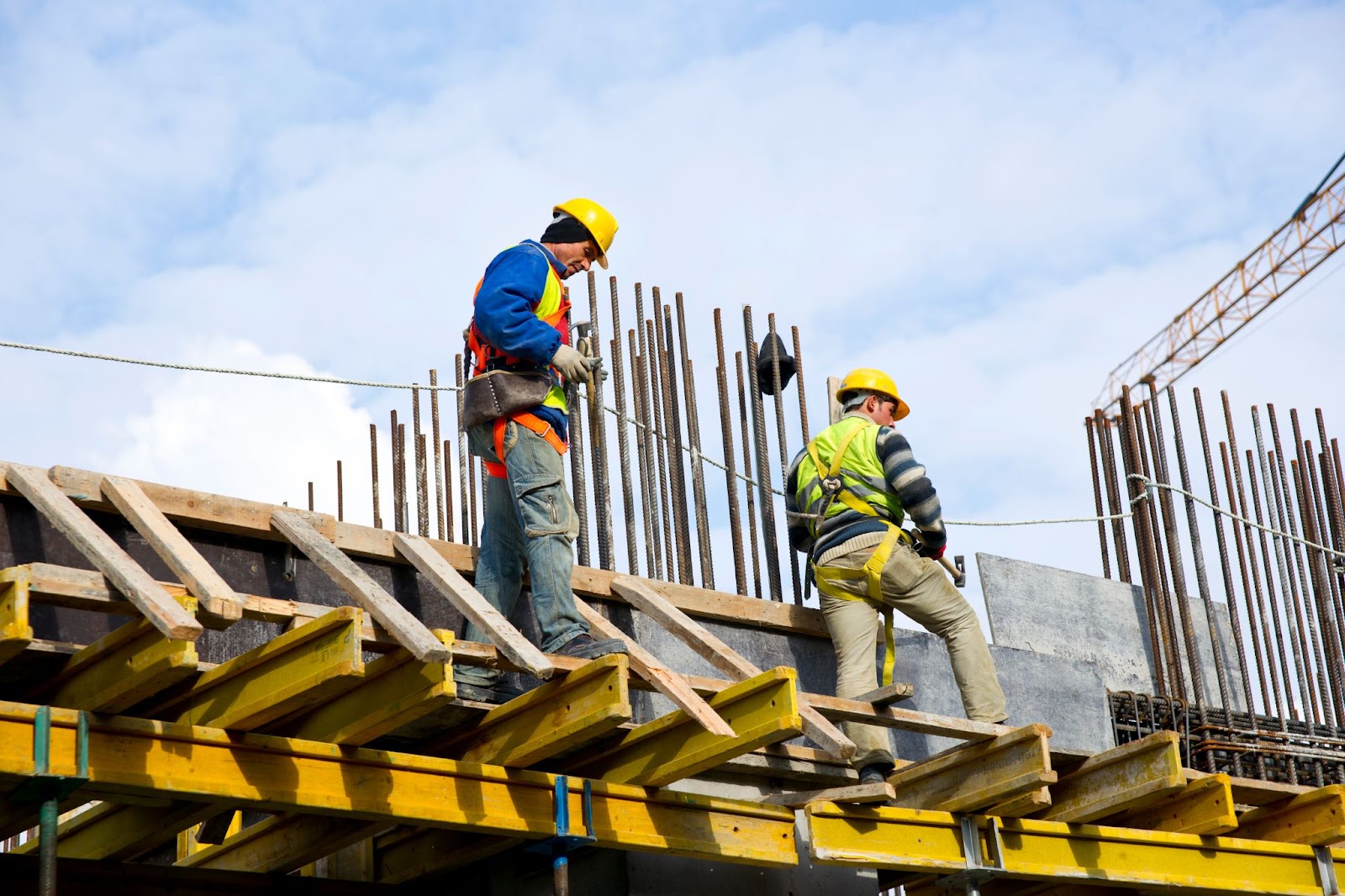
Image from Freestockcentre on Freepik
3. Post-Construction Phase
After the building is standing, there remains work to be done. This is completed in the final building construction phase, also known as the post-construction phase. Processes in this stage include:
- Final inspections and approvals: Regulatory authorities conduct assessments to verify fire safety compliance, structural integrity, and overall functionality before issuing occupancy certificates.
- Resolving of structural or design issues: Any defects or inconsistencies detected after the building construction phase has been completed are addressed through minor repairs or modifications.
- Project handover: The completed structure is formally handed over to the client with relevant documentation, including operational guidelines and warranties.
- Maintenance and repairs as needed: Ongoing maintenance schedules for the building are established to prevent long-term wear and ensure optimal performance.
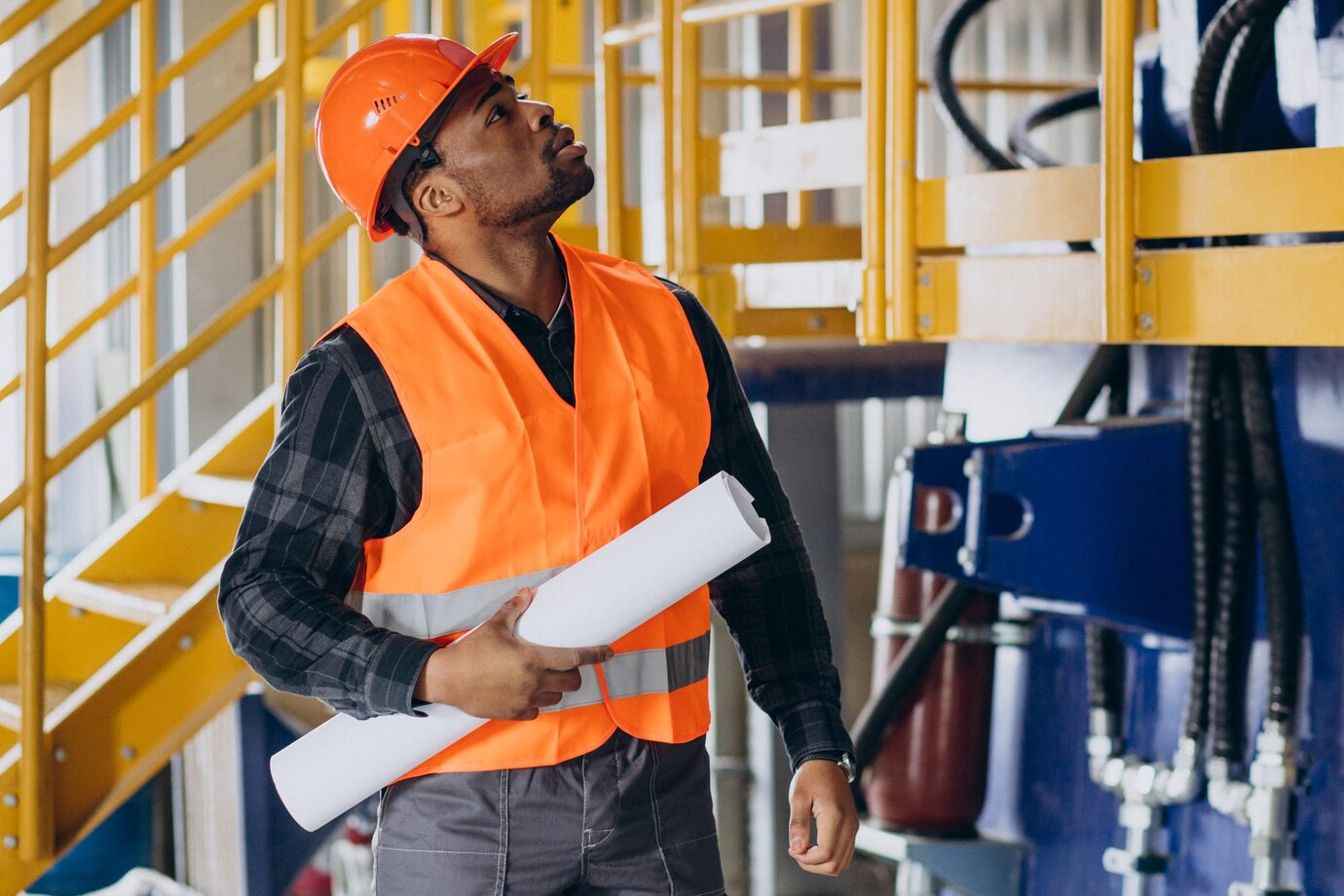
Image by senivpetro on Freepik
Understanding the Building Construction Process
Building construction can be divided into three phases as you have seen earlier. Still, while these phases seem like they can be completed in any manner, as long as they are completed, building construction is done following a step-by-step method There are many steps involved in creating sustainable, long-lasting structures that abide by the local building standards. They are:
- Planning and Design
- Site Preparation
- Foundation Work
- Framing the Structure
- Systems Installation
- Finishing Touches
- Final Inspections and Approvals
- Occupancy & Maintenance
Iconic Examples of Building Construction
There exist many remarkable buildings worldwide. Here are some of the renowned construction projects worldwide:
- Burj Khalifa in Dubai, UAE is the tallest building in the world, standing at 2,717 feet.
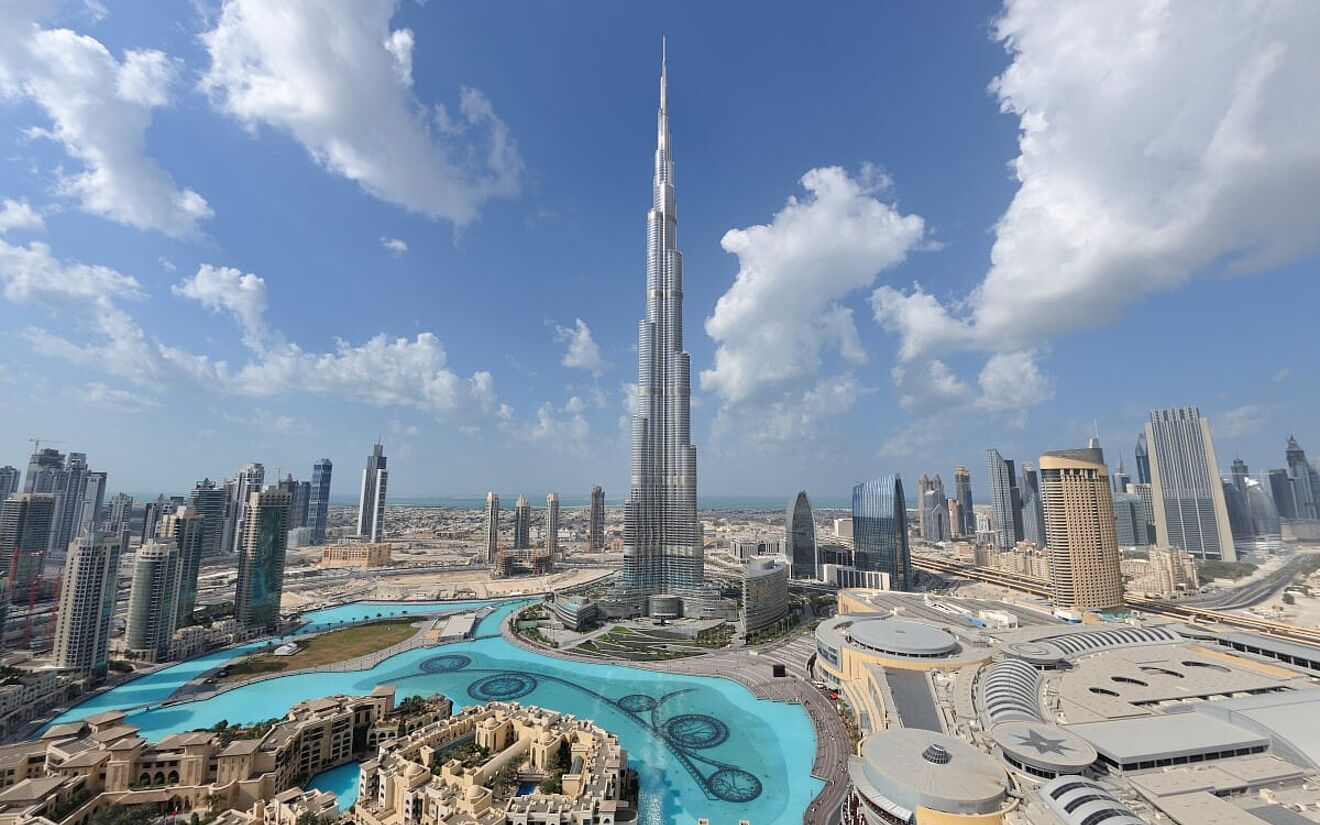
Image from Allplan
- The Guggenheim Museum in New York, United States of America, also called the roun museum of New York is a masterful embodiment of modern architecture.
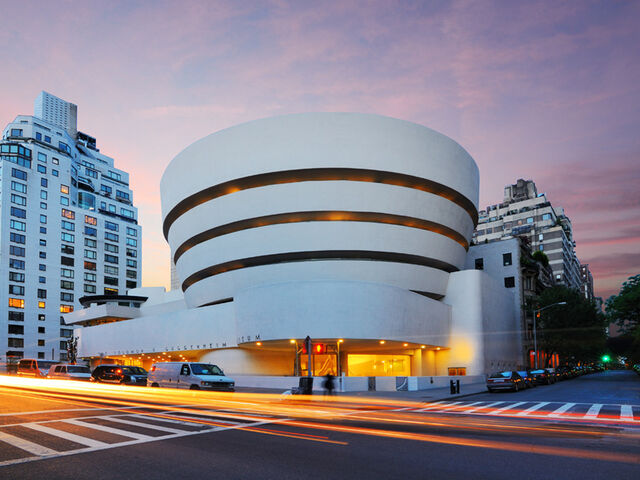
Image from KLM Airlines
- Sydney Opera House located in Sydney, Australia serves as an iconic cultural landmark.
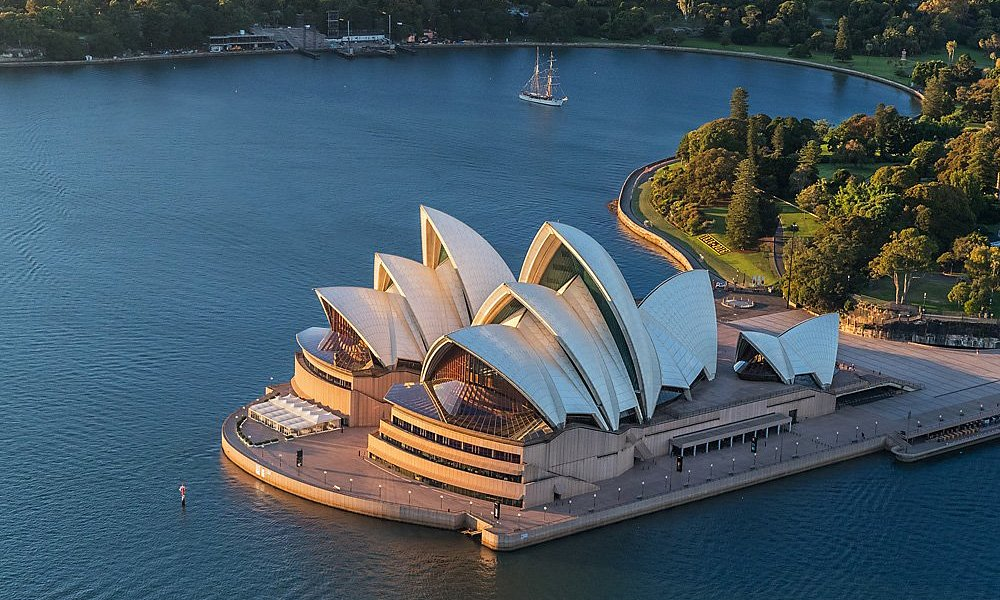
Image from Tripadvisor
- The Hagia Sophia Mosque in Istanbul, Turkey is a symbol of the many cultural shits the country has gone through over time.
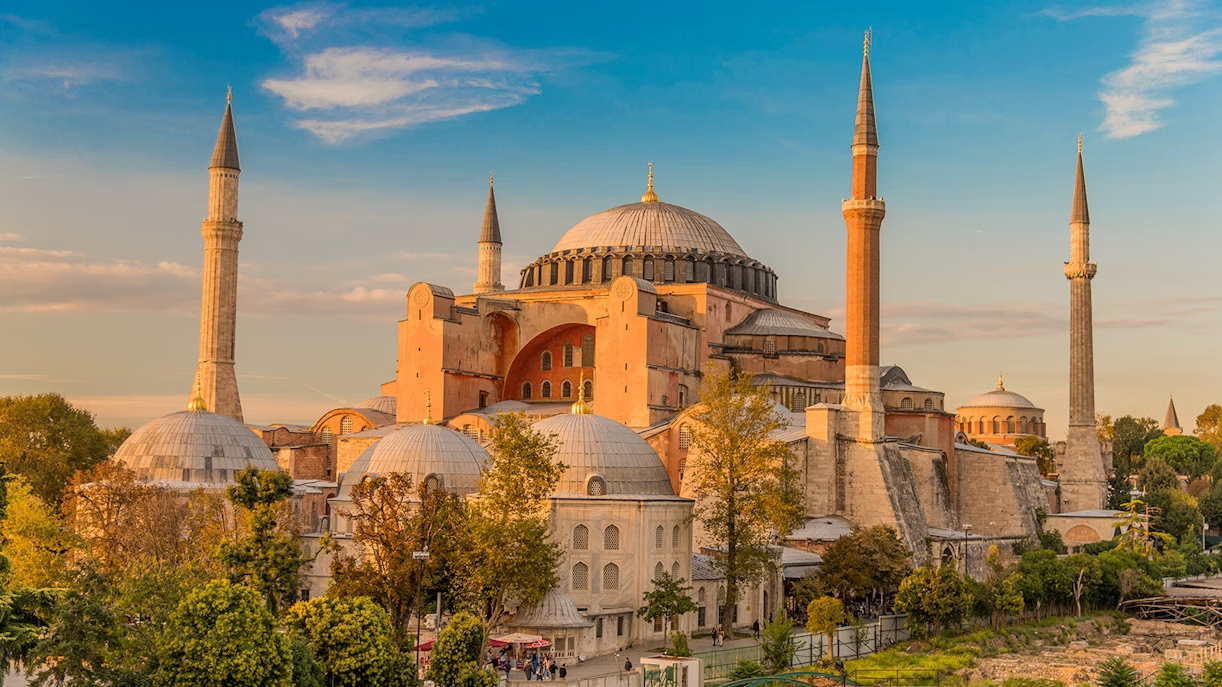
Image from Headout Inc
- The Taj Mahal built in Agra, India is an ivory mausoleum you look at with nothing short of a wonder.
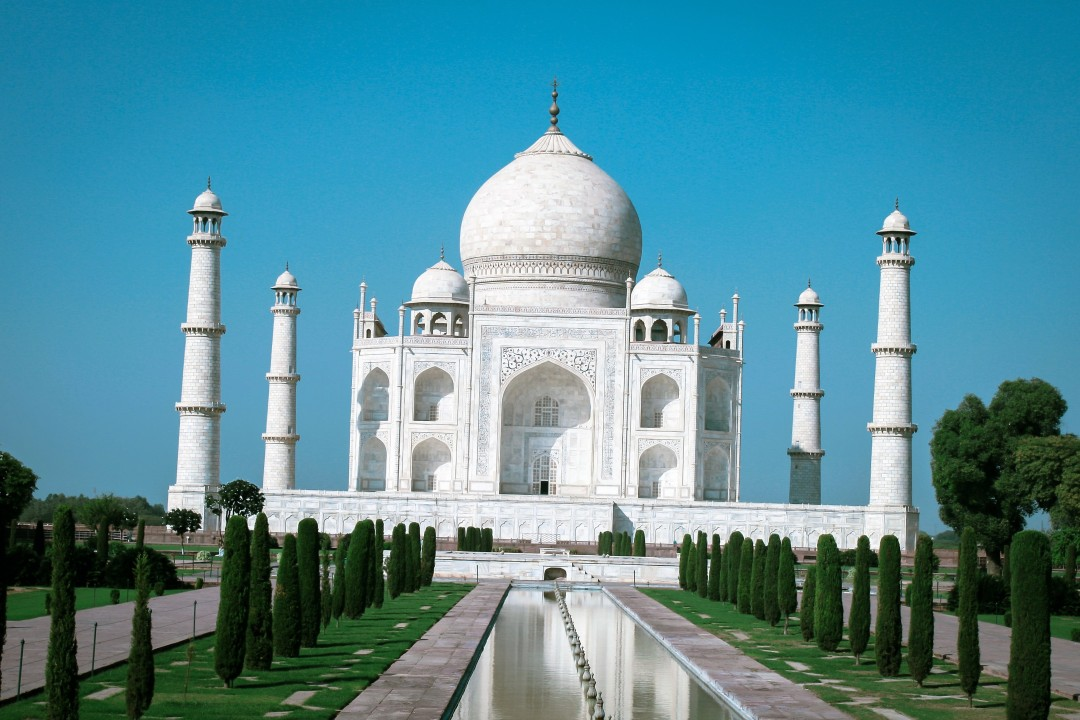
Image from Bhanu Prakash on Linkedin.
Conclusion
Despite the public’s belief that building construction is easy, constructing a building out of an abstract idea requires lots of work that is only able to be completed in stages of work. By combining previously established methodologies, modern construction technologies, and the right set of building construction professionals such as BOA Construction Company, constructing the building of your dream and budget becomes possible.