


With every project comes the need for finance, and construction projects can never get off the ground without adequate financing. Money sets the pace of your projects, which is why creating a construction budget is essential.
Inadequate budgeting results in delays, cost overruns, and disputes, as inaccurate cost estimates lead to poor planning, weak cost management, unforeseen expenses, lack of resources, and alterations in project scope. This ultimately creates financial pressure, project holdups, and tensions among stakeholders.
From civil engineers to BIM professionals to structural engineers, construction budgets factor in everyone involved in the project, including building materials. This article will cover all you need to know about construction budgets, the basics, best practices, tools, and common mistakes you should avoid making while budgeting.
What is a construction budget?

Photo by Campaign Creators on Unsplash
A construction budget is an estimate of the finances required to take a project from the planning stage to its completion. This budget includes all the associated costs and expenses that may have been accumulated during the process of construction. Although the budget is an attempt at trying to forecast all expenses, you should also leave room for any kind of emergencies or unexpected building expenses that may come up.
The person who makes this budget is called a construction manager. Their job is similar to that of a project manager. They typically supervise projects, create construction budgets, and keep communication lines open between the stakeholders involved in a construction project.
Project planning is very important in construction. It is the foundation of every project and is the initial phase where objectives are defined. Proper planning sets a pace for groundwork for all subsequent activities, and this involves scheduling, budget estimation, and allocation of resources. This allows for effective control of your finances.
The major difference between a construction estimate and an actual budget is that estimates are usually rough work, and preliminary figures used for planning, while budgets are the finalized and approved amount of money allocated for a project.
Key Components of a Construction Budget

Photo by NORTHFOLK on Unsplash
The key components of a construction budget consist of the breakdown of all the expenses involved in your project. These costs can be divided into several categories:
● Hard Costs: Also known as labour costs, they cover about 20-40% of a construction budget. It includes all the payments made to the workers. All allocations to your team, their salaries, benefits, and insurance payments. Proper management of labour will ensure that your workers are paid for their work and will also contribute to project completion.
● Soft costs or legal costs include all expenses that are related to every legal procedure, and this includes permits, inspections, design fees, insurance, and legal fees, covering about 2-5% of your budget.
● Contingency Reserves or contingency costs are unexpected costs that may come up during the construction process. It is important to have a plan for unforeseen expenses. It helps you avoid budget overruns or delays in projects. It covers about 5-10% of the construction budget.
● Financing costs include interest, loan-originated fees, and other expenses. Construction projects usually require a significant upfront payment.
● Overhead and profit include the contractor’s overhead, markup, and profit margins. This means that it covers the contractor’s costs, allowing them to earn a fair share of their investment and stay in the market.
Types of Construction Budgets

Photo by GoodNotes 5 on Unsplash
Construction projects often require heavy budgeting to remain financially sound and organized. Below are the main types of construction budgets you should understand as a builder, developer, or project manager:
● Preliminary budgets (used in planning and feasibility) are also known as conceptual budgets. This type of construction budget is created in the early stages of a project before drawings and specifications are available. It helps the project gain feasibility, providing a rough estimate based on data and similar projects. Although it is less detailed, it gives a general cost overview and is helpful for investors when discussing the initial funding of projects.
● Detailed Budgets (based on whole project specs). This budget is created once a project design is finalised. It has a comprehensive breakdown of all the costs, acting as a financial blueprint for the entire project. This type of construction budget is used to manage costs and precisely allocate resources.
● Cash Flow Budgets (monthly/quarterly projections). This particular budget is used to track the inflow and outflow of cash on a project on a monthly or quarterly basis. It ensures that the project has enough finance to cover the expenses at each phase, while also aiding in scheduling patients, managing loan draws, and avoiding shortage of cash.
● Master Budgets (combines all elements for the entire project). This type of construction budget combines all the other budgets into one, including the preliminary, details, and cash flow budget. It provides a full detail of all the financial aspects of a project, making it useful for reporting to stakeholders, bankers, and financial institutes. It is more organized and centralized.
How to Create a Construction Budget: Step-by-Step

Creating a construction budget requires a step-by-step method that has to be kept to ensure effectiveness. These steps cannot be mixed or skipped. These steps include:
● Step 1: Establish the project scope and objectives
● Step 2: Breakdown the tasks required to complete the project
● Step 3: Obtain precise estimates for labor and required materials
● Step 4: Incorporate soft costs and permitting fees
● Step 5: Include reserve funds for contingencies
● Step 6: Utilize budgeting software or templates
● Step 7: Consult with stakeholders and confirm
Tools and Software for Construction Budgeting
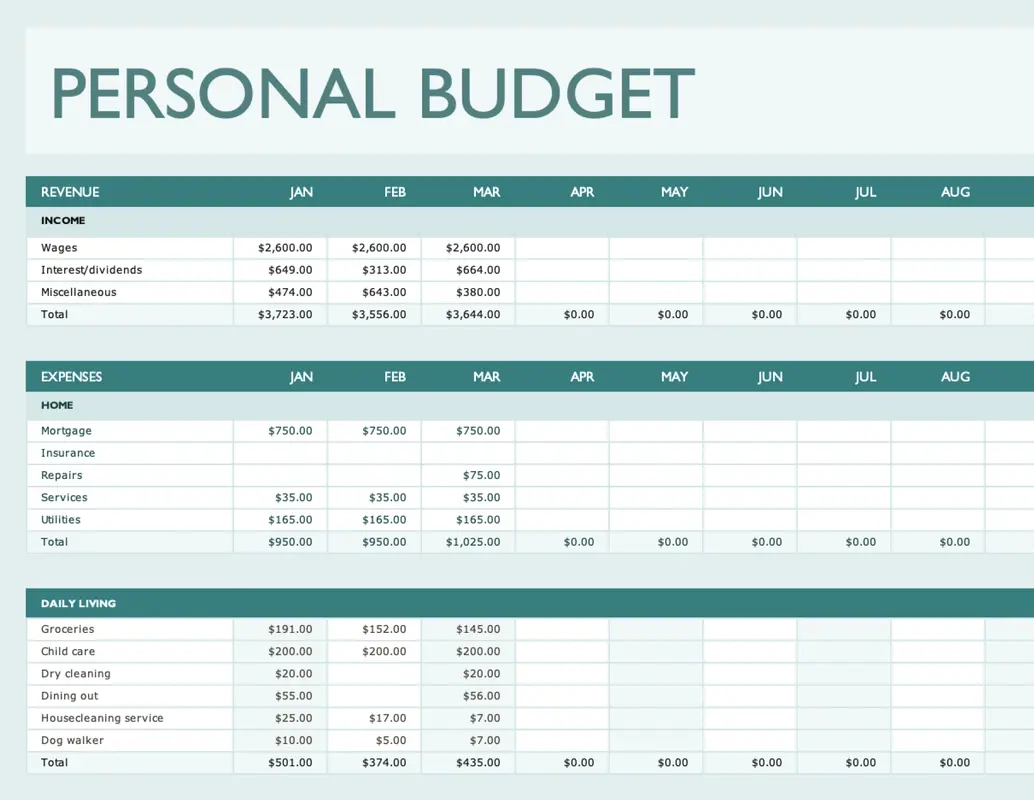
Construction budgeting tools are designed to help a project manager plan, allocate, and monitor the finances a project requires to be completed. These systems are created in such a way that even the complexities of construction are factored in and easily taken care of.
The tools can be designed to help the manager in budget planning, tracking expenses, forecasting, integration, and adequate custom reporting. Popular custom budgeting tools are Procore, Buildertrend, CoConstruct, QuickBooks, and Excel.
When choosing the right tool, you should make sure you take note of your project size and type.
Common Mistakes to Avoid in Construction Budgeting

Image by Miriam Caldwell on The Balance
Budgeting is not an easy task, and many make mistakes, too. To avoid these mistakes, which are usually detrimental to the project. Here are common construction budgeting mistakes to avoid:
● Underestimating expenses or leaving out certain line items
● Failing to revise the budget during the project’s course
● Overlooking change orders and gradual increases in project scope
● Failing to monitor real expenditures against the planned budget
● Insufficient preparation for unexpected costs
Best Practices for Managing Construction Budgets
Just as there exist common mistakes when creating a construction budget. There also exist budgeting practices to follow. These practices are recommended as they help avoid mistakes and keep the project budget earnest.
The best practices for managing construction budgets are:
● Engage the project team at the beginning of the budgeting process.
● Regularly track and modify as needed.
● Maintain records for all expenses and alterations.
● Ensure open communication with stakeholders.
● Synchronise the budget with the project timeline.
Conclusion

Image by Sanjana Gajul on Versa Cloud EPR
Construction budgets are mandatory for every construction project’s success. From structural engineers to BIM professionals, construction managers have to factor in multiple factors when making budgets. By keeping to the key components of construction budgets, avoiding common mistakes like underestimated expenses, and using best practices to reduce expenses, construction budgets can be created to meet the project’s requirements.